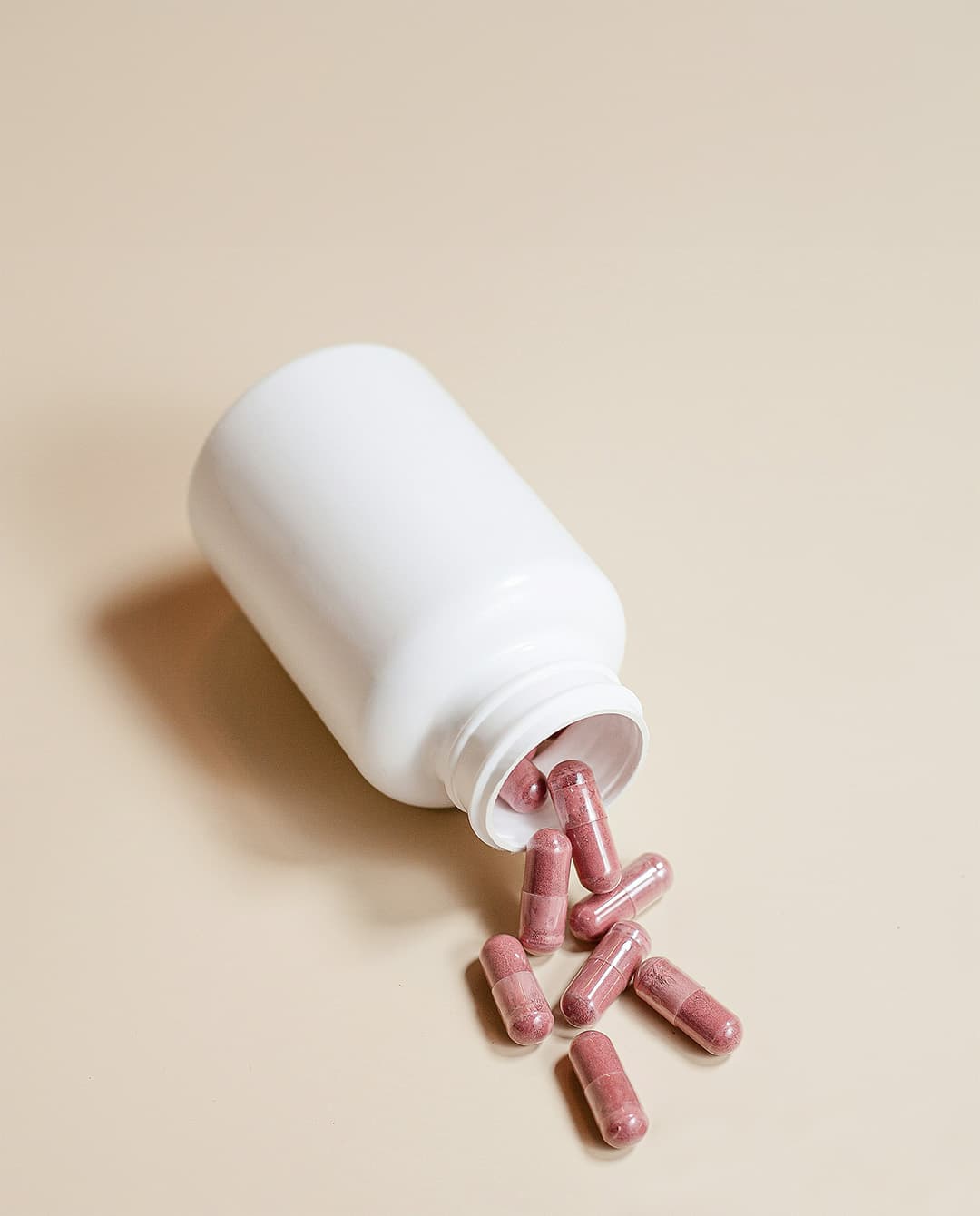
Skincare used to be all about what you put on your face. Cleansers, serums, moisturisers and masks dominated bathroom shelves, while supplements were more commonly associated with general health and nutrition. Now, the line between beauty and wellness is becoming increasingly blurred.
Collagen powders, beauty gummies, probiotics and vitamin supplements have become part of many consumers' daily routines, driven by the idea that healthy skin starts from within. But as the beauty-from-within market continues to grow, an important question remains: does the science support the hype?
From skincare to supplementation
The shift towards ingestible beauty reflects a broader change in how consumers think about health. Rather than treating skin concerns separately, many are taking a more holistic approach that combines topical skincare with nutrition, exercise and supplementation.
Collagen is perhaps the most recognisable example. Research has suggested that oral collagen supplementation may benefit aspects of skin health, including hydration and elasticity. A 2023 systematic review and meta-analysis published in Nutrients examined 26 randomised controlled trials involving 1,721 participants and found significant improvements in both measures compared with placebo.
However, the evidence is not quite as straightforward as the beauty industry might suggest. A 2025 systematic review and meta-analysis of 23 randomised controlled trials found that while the overall analysis showed improvements in skin hydration, elasticity and wrinkles, these effects disappeared when the researchers looked specifically at higher-quality and non-industry-funded studies. The authors concluded that there is currently insufficient clinical evidence to support collagen supplements for preventing or treating skin ageing.
The takeaway is not necessarily that collagen "works" or "doesn't work". Rather, these findings demonstrate why the details behind an ingredient matter — from study design and dosage to formulation, population and funding.
Not every beauty ingredient is created equal
Vitamin C provides a different example. According to the U.S. National Institutes of Health (NIH) Office of Dietary Supplements, vitamin C is essential for collagen biosynthesis and also functions as an antioxidant. However, an established biological role does not automatically mean that taking additional vitamin C will produce a visible cosmetic benefit in someone who already consumes enough through their diet.
Biotin highlights the difference between biological function and marketing claims even more clearly. Biotin deficiency can cause symptoms including hair loss, skin problems and brittle nails, but deficiency is considered rare. The NIH notes that there is limited scientific evidence that biotin supplements improve hair, skin or nails in otherwise healthy people.
These distinctions matter as the beauty-from-within category expands. An ingredient can be essential for normal physiological function without there being evidence that taking more of it will make healthy skin healthier.
The consumer is asking better questions
As consumers become more informed, simply including a recognisable beauty ingredient may no longer be enough. Increasingly, the important questions are: How much? In what form? For whom? And what evidence supports the claim?
For brands, this creates an opportunity to move beyond long ingredient lists and ambitious promises. Dosage, bioavailability, ingredient quality, formulation and the strength of the clinical evidence can all influence whether a product has a meaningful place in a consumer's routine.
The strongest products may therefore not be those promising the most dramatic transformation, but those that can clearly explain why an ingredient has been selected and what the available evidence can — and cannot — demonstrate.
Building the next generation of beauty from within
The growing interest in ingestible beauty represents a significant opportunity for the nutrition industry. Consumers are clearly interested in the relationship between nutrition and skin health, but the category will need to mature alongside the science.
That means moving away from the idea of a "miracle" beauty ingredient and towards targeted formulations built around quality and evidence. It also means communicating research responsibly, without turning promising early findings into claims that the science cannot yet support.
At IQ Production, we believe the future of beauty from within will be built on this combination of innovation and scientific substantiation. By selecting high-quality ingredients, developing evidence-based formulations and understanding the research behind each component, brands can create products that offer meaningful value while building the consumer trust that will help the category mature.